




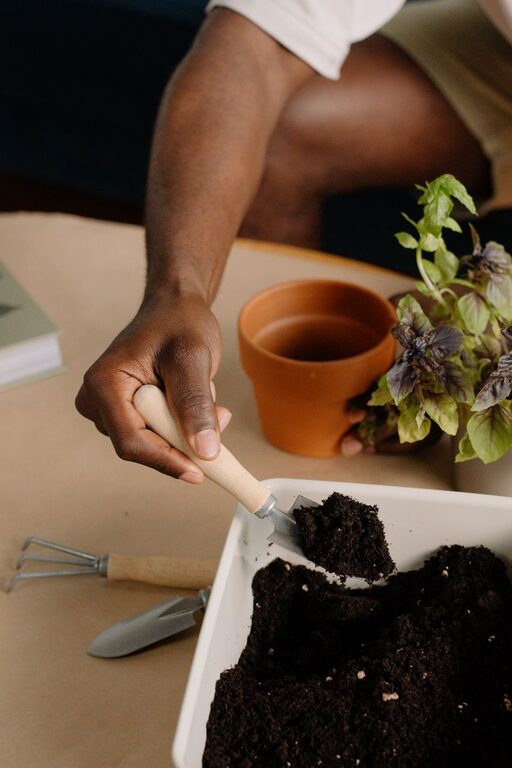
Growing herbs indoors is a simple way to add fresh flavor and greenery to your home. You do not need a large space, expensive equipment, or advanced gardening skills. A sunny windowsill, a few containers, and a regular care routine are enough to get started.
An indoor herb garden can also be more convenient than an outdoor garden. You can snip what you need while cooking, keep plants within easy reach, and continue growing herbs during colder months. With the right setup, many herbs will thrive in a kitchen, living room, or home office.
Choose the Right Herbs
The best herbs for an indoor garden are compact, useful in everyday cooking, and able to grow well in containers. Start with two or three varieties instead of planting too many at once.
Good choices for beginners include:
– Basil
– Chives
– Parsley
– Mint
– Oregano
– Thyme
– Rosemary
– Cilantro
Basil grows quickly and enjoys warm conditions and plenty of light. Chives are compact and easy to trim. Parsley grows more slowly but can provide a steady supply once established. Mint is vigorous and should usually be grown in its own container because it can spread quickly.
Thyme and oregano prefer slightly drier conditions, while basil, parsley, and cilantro generally need more consistent moisture. Choosing herbs with similar care needs can make your first garden easier to manage.
Find the Best Indoor Location
Light is one of the most important factors in indoor herb gardening. Most culinary herbs need around six hours of bright light each day. A south-facing window is often a strong option, although an east- or west-facing window may also work.
Place your plants close to the window without allowing their leaves to touch cold glass. Keep them away from heating vents, radiators, and drafty doors, since sudden changes in temperature can stress the plants.
Watch how sunlight moves through your space during the day. A window that looks bright in the morning may receive little light later. If your herbs become tall, thin, or pale, they may need more light.
Using a Grow Light
If natural light is limited, a small LED grow light can help. Choose a light designed for indoor plants and position it according to the manufacturer’s instructions. Many gardeners keep the light on for about 12 to 14 hours each day, followed by a period of darkness.
A timer makes this routine easier. Keep the light close enough to support healthy growth, but not so close that the leaves become hot or scorched.
Select Containers With Drainage
Herbs need containers that allow excess water to escape. Choose pots with drainage holes in the bottom, and place a saucer underneath to protect your windowsill or furniture.
Small herbs can begin in pots that are about 4 to 6 inches wide. Larger plants, such as rosemary or mint, may eventually need a bigger container. Avoid moving a small plant into a very large pot too soon. Extra soil can hold more water than the roots need, increasing the chance of overwatering.
You can use:
– Terracotta pots
– Plastic nursery pots
– Ceramic containers with drainage holes
– Window boxes
– Recycled containers with holes added safely
If you reuse a container, wash it thoroughly first. Make sure it is strong enough to hold moist soil and has reliable drainage.
Use Quality Potting Soil
Regular garden soil is often too dense for indoor containers. It may drain poorly and make it difficult for roots to receive enough air. Instead, use a lightweight potting mix made for containers or indoor plants.
A quality mix usually contains materials that help with drainage and moisture retention. You can buy a ready-made mix from a garden center or home improvement store. Avoid packing the soil down tightly, since loose soil gives roots room to grow.
Fill the container while leaving about an inch of space below the rim. This helps prevent water from spilling over when you water the plant.
Start With Seeds or Young Plants
You can grow herbs from seeds, but young nursery plants are often easier for beginners. They give you a head start and allow you to see the plant’s condition before bringing it home.
When choosing young plants, look for:
– Bright green leaves
– Strong stems
– Even, compact growth
– Moist but not soggy soil
– No visible pests or damaged leaves
If you prefer seeds, follow the planting depth and spacing instructions on the packet. Keep the soil lightly moist while the seeds germinate. A warm, bright location can help speed up the process for many herbs.
Water Carefully
Overwatering is one of the most common problems in indoor herb gardens. Instead of watering on a fixed schedule, check the soil first. Press a finger about an inch into the surface. If it feels dry, the plant may need water. If it still feels damp, check again later.
When watering, pour slowly until a little water drains from the bottom of the pot. Empty the saucer afterward so the plant is not sitting in water.
Different herbs have different preferences:
– Basil and parsley prefer consistently lightly moist soil.
– Chives need regular watering but should not remain soggy.
– Thyme, oregano, and rosemary prefer the soil to dry slightly between waterings.
– Mint likes moisture but still needs good drainage.
Indoor conditions change with the season, so your plants may need more frequent watering during warm, dry periods and less during cooler months.
Feed Plants Occasionally
Fresh potting soil usually provides enough nutrients for young herbs at first. After several weeks, container plants may benefit from a mild, balanced fertilizer.
Use a fertilizer labeled for herbs, vegetables, or indoor plants, and follow the product directions. Applying more than recommended will not necessarily make plants grow faster and can damage their roots.
Fertilize during active growth, particularly in spring and summer. Reduce or pause feeding if growth slows during darker months.
Prune and Harvest Regularly
Harvesting herbs encourages many plants to produce new growth. Use clean scissors or snips, and remove only a small amount at a time, especially when a plant is young.
For leafy herbs such as basil and mint, trim just above a pair of leaves. This encourages the plant to branch out and become fuller. Chives can be cut close to the base as needed.
When harvesting woody herbs such as rosemary and thyme, snip the soft green tips rather than removing large sections of old, woody stems. Avoid taking more than about one-third of the plant at once.
Remove yellow leaves and faded growth to keep the plants tidy. If a plant begins to flower, you can remove the flowers if your goal is to encourage more leafy growth.
Solve Common Problems
Indoor herbs can show signs of stress, but small adjustments often help.
Leggy Growth
Long, weak stems usually mean the plant needs more light. Move it closer to a bright window or add a grow light. Rotate the pot every few days so all sides receive even light.
Yellow Leaves
Yellow leaves may result from overwatering, poor drainage, or insufficient light. Check the soil moisture and confirm that the container has drainage holes before watering again.
Drooping Leaves
A drooping plant may need water, but drooping can also occur after overwatering. Check the soil rather than guessing. If the soil is wet and the plant continues to droop, allow it to dry slightly and improve airflow.
Small Insects
Inspect new plants before bringing them indoors. If you notice small insects, move the affected plant away from others and wipe the leaves gently with a damp cloth. Continue checking the plant regularly and use a product labeled for indoor herbs if needed.
Build a Simple Care Routine
A few minutes each week can keep your indoor herb garden healthy. Check the soil, inspect the leaves, rotate the pots, and harvest any ready growth. Clean up fallen leaves and make sure the plants have enough room and light.
Start small and learn how each herb responds to your home. Once you understand the basics, you can add more varieties, try different containers, or create a dedicated shelf with a grow light. With consistent care, even a small indoor garden can provide fresh herbs and a rewarding growing experience throughout the year.