








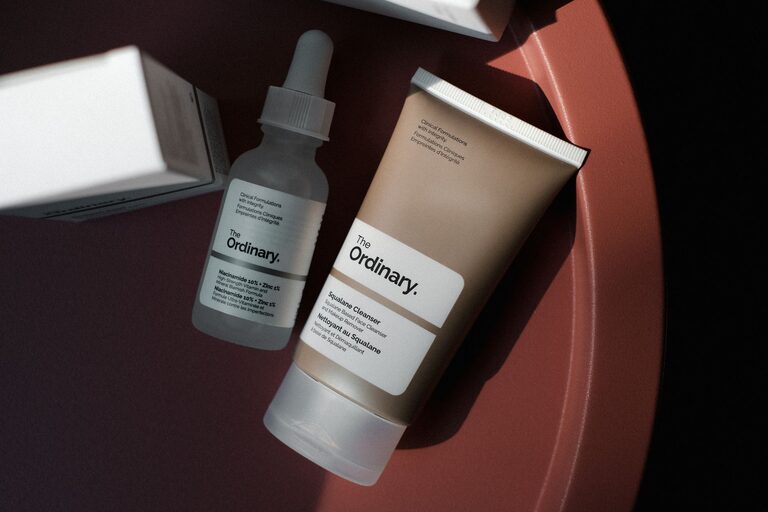
Starting a skincare routine does not have to be complicated or expensive. A few well-chosen products, used consistently, can help keep your skin clean, comfortable, and protected. The best routine is one that fits your skin type, lifestyle, and budget.
This beginner-friendly guide explains the basic steps, how to choose products, and how to introduce new items without overwhelming your skin.
The Basic Steps of a Skincare Routine
A simple routine has three main steps:
- Cleanse your skin.
- Moisturize to support the skin barrier.
- Apply sunscreen during the day.
These steps are enough for many beginners. You can add other products later if you have a specific goal, such as improving the look of uneven tone or managing occasional breakouts.
Step 1: Cleanse Gently
Cleansing removes sweat, excess oil, dirt, and product residue from the skin. It also gives other products a clean surface to work with.
Choose a gentle cleanser that matches your skin’s needs:
- Normal skin: Look for a mild cleanser that leaves your skin feeling clean but not tight.
- Dry skin: Try a creamy or lotion-based cleanser with moisturizing ingredients.
- Oily skin: A lightweight gel cleanser may help remove excess oil without harsh scrubbing.
- Combination skin: Choose a balanced cleanser that cleans without drying the cheeks.
- Sensitive skin: Select a fragrance-free formula with a short, simple ingredient list.
Use lukewarm water rather than very hot water, which can leave skin feeling dry or irritated. Massage the cleanser gently with your fingertips, then rinse and pat your face dry with a clean towel.
For most people, cleansing once at night is essential. In the morning, you may rinse with water or use a gentle cleanser, depending on how your skin feels.
Step 2: Moisturize Regularly
Moisturizer helps reduce water loss and supports the skin’s natural protective barrier. Every skin type can benefit from moisturizing, including oily skin.
When choosing a moisturizer, consider its texture:
- Light lotions or gels: Useful for oily or combination skin.
- Creams: Often a good choice for normal or dry skin.
- Rich balms: Helpful for very dry areas, especially during colder weather.
Look for products labeled noncomedogenic if you are concerned about clogged pores. Fragrance-free products may be a better choice if your skin is easily irritated.
Apply moisturizer while your skin is slightly damp, such as after cleansing. This can help seal in moisture and leave your skin feeling softer.
Step 3: Wear Sunscreen During the Day
Sunscreen is one of the most important daytime skincare products. It helps protect exposed skin from ultraviolet, or UV, rays that can contribute to sunburn and visible signs of skin aging.
Choose a broad-spectrum sunscreen with an SPF of 30 or higher. Broad-spectrum products are designed to protect against more than one type of UV ray.
Apply sunscreen as the final step of your morning routine. Cover commonly missed areas, such as the ears, neck, hairline, and tops of the hands. Reapply as directed on the product label, particularly after swimming, sweating, or spending extended time outdoors.
Sunscreen works best when combined with shade, protective clothing, and a hat. Even on cloudy days, UV exposure can occur, so make sunscreen a regular part of your daytime routine.
Morning and Evening Routine Examples
A routine does not need many steps. Here is a simple starting point.
Morning
- Gentle cleanser or water rinse
- Moisturizer
- Broad-spectrum sunscreen
Evening
- Gentle cleanser
- Moisturizer
If you wear makeup or water-resistant sunscreen, you may need an additional removal step before cleansing. A cleansing balm or micellar water can help loosen makeup, followed by a gentle cleanser.
How to Choose Products
Product labels can be confusing, but a few basic guidelines can make shopping easier.
First, focus on your skin’s comfort. If a product consistently causes stinging, burning, intense redness, or discomfort, stop using it and choose a gentler option. A product does not need to feel harsh to be effective.
Second, avoid adding several new products at once. Introduce one product at a time and use it for several days before adding another. This makes it easier to tell which product is working well and which one may be causing irritation.
Third, consider your surroundings and routine. A lightweight moisturizer may feel more comfortable in warm, humid weather, while a richer cream may be useful during dry or cold months.
Finally, remember that a higher price does not always mean better results. Simple, affordable products can work well when used consistently.
What About Serums and Exfoliants?
Serums, masks, and exfoliants are optional. Beginners often get better results by mastering the basic routine before adding extra products.
Exfoliation removes dead surface cells and can make skin feel smoother, but overuse may cause dryness or irritation. If you decide to try an exfoliating product, start slowly and follow the product directions. Avoid using multiple exfoliating products at the same time.
Serums can target specific appearance-related concerns, but each formula has different instructions. Add only one at a time, and use products as directed. Keep the rest of your routine simple while you evaluate how your skin responds.
Common Skincare Mistakes to Avoid
- Washing too often: Frequent cleansing can leave skin feeling dry and uncomfortable.
- Scrubbing aggressively: Rough tools and strong pressure may irritate the skin.
- Skipping moisturizer: Even oily skin can feel uncomfortable without enough moisture.
- Using too many products: A long routine can increase the chance of irritation.
- Changing products too quickly: Give a basic routine time to become a habit before making major changes.
- Forgetting sunscreen: Daily protection is an important part of a balanced routine.
Give Your Routine Time
Consistency matters more than having a large collection of products. Use your cleanser, moisturizer, and sunscreen regularly, and pay attention to how your skin feels. Keep a short record of new products if you are trying to identify what works best for you.
If you experience ongoing discomfort, a rash, or a skin concern that does not improve, consider speaking with a qualified dermatologist. For everyone else, a gentle routine built around cleansing, moisturizing, and sun protection is a practical place to begin.