

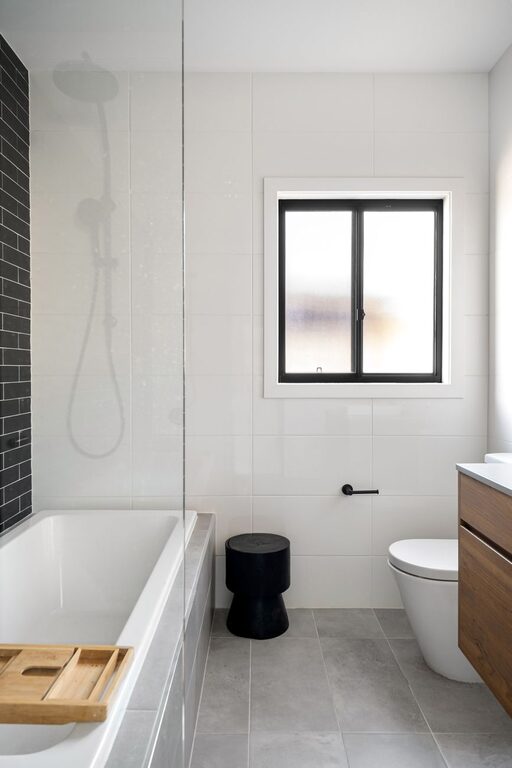
A minimalist bathroom is clean, comfortable, and easy to maintain. It does not need to feel plain or empty. Instead, the goal is to create a space where every item has a purpose, the design feels calm, and daily routines are simple.
With thoughtful choices, you can create a minimalist bathroom in any size home. The key is to focus on function, reduce visual clutter, and choose durable pieces that work well together.
Start With a Clear Plan
Before buying anything, take a close look at your bathroom. Notice what works, what feels crowded, and which items are rarely used.
Make a quick list of:
– Essential products you use every day
– Items that can be stored elsewhere
– Fixtures or furniture that need replacing
– Areas that collect clutter
– Storage space you already have
Measure the room if you plan to add shelves, cabinets, or a vanity. A simple floor plan can help you avoid buying pieces that make the space feel cramped.
Minimalism is not about removing everything. It is about keeping what you need and arranging it in a way that makes the room easier to use.
Choose a Simple Color Palette
A limited color palette helps a bathroom feel orderly. Soft white, warm beige, light gray, and muted natural tones are popular choices because they reflect light and create a relaxed look.
You can use one main color with one or two supporting shades. For example:
– White walls with light wood storage
– Warm gray tiles with cream towels
– Beige surfaces with black or brushed metal details
– Pale green accents with natural materials
If your bathroom already has colorful tile or flooring, keep the rest of the design simple. Plain towels, streamlined containers, and uncluttered surfaces can balance a stronger pattern.
Avoid using too many finishes in a small room. Matching or coordinating the faucet, cabinet handles, towel bars, and other hardware will create a more consistent appearance.
Keep Only the Essentials
Bathroom counters often become crowded with extra bottles, grooming tools, and unopened products. Begin by removing everything from the counter, shelves, and drawers. Group similar items together, then decide what truly belongs in the room.
Keep daily-use items easy to reach. Store occasional-use products in a cabinet, drawer, or labeled basket. Recycle or discard empty containers and products you no longer use.
A practical minimalist bathroom may include:
– Hand soap
– Toothbrushes and toothpaste
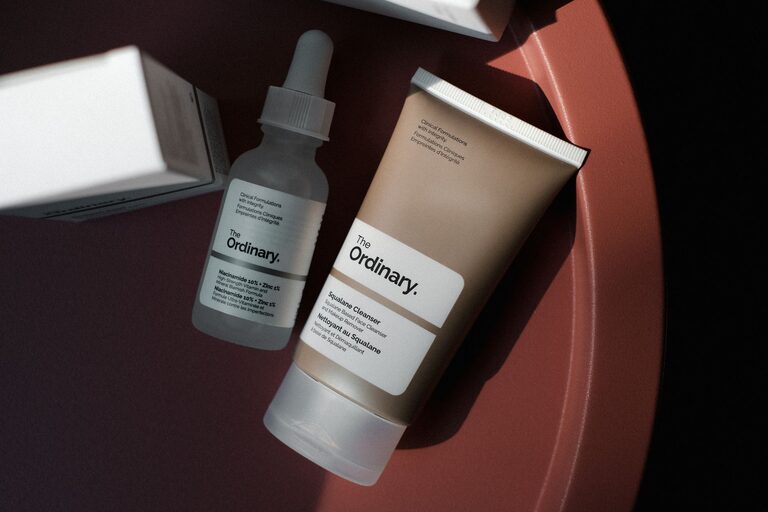
– A small selection of daily grooming products
– Towels
– Toilet paper
– Basic cleaning supplies
– A few useful personal care items
Try to avoid buying products simply because they look attractive on the shelf. Choose items based on how well they fit your routine, how often you use them, and whether they can be stored neatly.
Use Smart Storage
Good storage is one of the most important parts of a minimalist bathroom. When items have a designated place, surfaces stay clear and cleaning becomes easier.
Make Use of Vertical Space
Wall-mounted storage can provide useful space without taking up much floor area. Consider:
– A narrow wall cabinet
– Floating shelves
– Hooks for towels and robes
– A slim ladder shelf
– A wall-mounted toothbrush holder
Keep open shelving limited. Shelves can look attractive, but too many visible items may create visual clutter. Use them for a few neatly arranged essentials, such as folded towels, a small plant, or a simple container.
Organize Drawers and Cabinets
Drawer dividers, small bins, and stackable containers make hidden storage more efficient. Group similar items together so you can find them quickly.
For example, one section may hold dental care items, another may hold hair accessories, and another may hold travel products. Use shallow containers when possible so small items do not become buried.
Store less attractive or rarely used items behind closed doors. This keeps the room looking calm while preserving convenient access.
Select Streamlined Fixtures
Fixtures with simple shapes support a minimalist design. Look for clean lines, smooth surfaces, and practical proportions.
A wall-mounted sink or floating vanity can make the floor look more open. If you prefer a freestanding vanity, choose one with drawers or cabinets that provide useful storage without an oversized frame.
A frameless mirror or mirror with a slim border can add light and make the bathroom feel larger. Round mirrors soften a room with many straight lines, while rectangular mirrors can emphasize a clean, structured layout.
Choose fixtures based on both appearance and maintenance. Smooth surfaces with fewer decorative details are often easier to wipe down and keep clean.
Create a Calm Shower and Tub Area
The shower or tub area can quickly become cluttered with bottles. Reduce the number of products on display and store extras elsewhere.
A built-in niche, corner shelf, or slim shower caddy can keep essentials organized. Use matching bottles if you want a more consistent look, but make sure the containers are practical and easy to refill.
Choose a simple shower curtain in a solid color or a clear glass screen with minimal hardware. Washable, quick-drying bath mats can add comfort without overwhelming the room.
Keep only the products you use regularly in the shower. Store backups in a cabinet or separate closet to prevent the area from becoming crowded.
Add Texture With Natural Materials
Minimalist spaces benefit from texture. Without it, a bathroom can feel cold or unfinished. Add warmth with carefully chosen materials rather than extra decoration.
Useful options include:
– Cotton towels in one coordinated color
– A wooden bath tray
– A bamboo or wood storage box
– Woven baskets
– Stone or ceramic accessories
– A small, moisture-tolerant plant
Limit decorative items to a few pieces that serve a purpose or add a personal touch. A single plant, framed print, or attractive soap dispenser may be enough.
Improve the Lighting
Good lighting makes a bathroom feel more comfortable and functional. Use the brightest natural light available, and keep windows free from unnecessary objects.
If you need additional lighting, combine general lighting with task lighting near the mirror. Choose fixtures that provide even illumination without creating strong shadows.
A simple ceiling light, wall sconces, or a slim mirror light can work well. Keep the design consistent with the rest of the hardware and avoid using too many different fixture styles.
Build a Simple Cleaning Routine
A minimalist bathroom is easier to maintain when cleaning becomes part of the routine. Clear surfaces allow you to wipe them down quickly, while organized storage makes it easier to put items away.
Try this basic schedule:
– Wipe the sink and counter several times a week
– Rinse and dry shower surfaces after use
– Wash bath mats and towels regularly
– Clean the mirror when marks appear
– Review cabinets once a month
– Remove empty or expired items promptly
Keep a small set of cleaning tools in an accessible location. Storing them together prevents the need to search for supplies and makes quick cleaning more convenient.
Avoid Common Minimalist Design Mistakes
A minimalist bathroom should be practical, not difficult to use. Avoid removing useful storage or choosing style over comfort.
Common mistakes include:
– Using open shelves for every item
– Choosing fixtures that are too large for the room
– Keeping counters empty but overcrowding drawers
– Selecting materials that require constant maintenance
– Using only one hard surface without adding texture
– Buying matching accessories that are not actually useful
The best setup supports your daily routine. If an item makes the bathroom easier to use, it has a place in the design.
Maintain the Look Over Time
Once your bathroom is organized, use a simple rule before adding anything new: decide where the item will be stored and whether it replaces something you already have.
Review products and accessories every few months. Remove duplicates, move occasional-use items to another storage area, and repair or replace worn essentials when needed.
A minimalist bathroom does not require a complete renovation. By reducing clutter, improving storage, coordinating colors, and choosing functional fixtures, you can create a space that feels calm and works efficiently every day.