




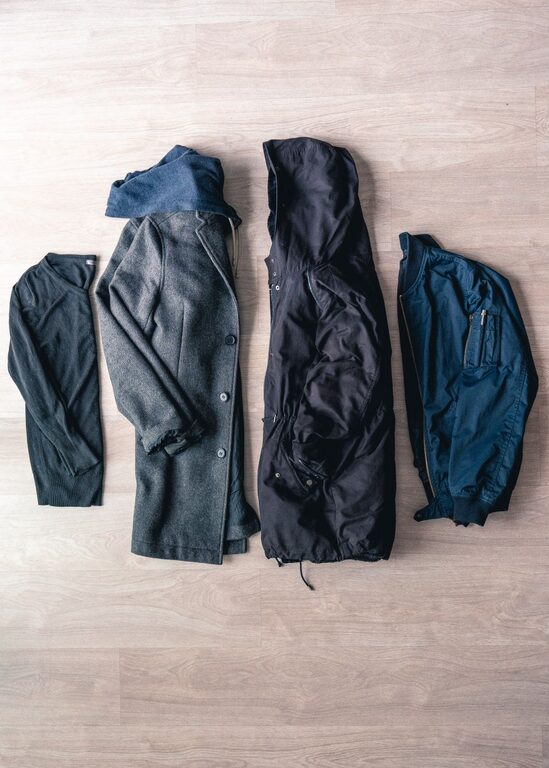
A capsule wardrobe is a small collection of clothing that works well together. Instead of keeping a closet full of items you rarely wear, you choose versatile pieces that suit your lifestyle, fit comfortably, and can be combined in several ways.
Building a capsule wardrobe does not mean following strict fashion rules or owning a specific number of items. The goal is to make getting dressed easier while reducing clutter and making more thoughtful clothing choices.
What Is a Capsule Wardrobe?
A capsule wardrobe is a carefully selected group of clothing, shoes, and accessories that can be mixed and matched to create many outfits. It usually includes everyday basics, a few seasonal items, and pieces that reflect your personal style.
A basic capsule wardrobe might include:
– Tops for casual and polished outfits
– Pants, skirts, or shorts
– A dress or two
– A sweater or cardigan
– A jacket or coat
– Comfortable everyday shoes
– Accessories that add variety
The exact contents depend on your work, climate, schedule, and preferences. Someone who works from home may need more casual clothing, while someone who attends meetings may want more polished options.
Start With Your Lifestyle
Before buying anything, think about how you spend most of your time. Your wardrobe should support your real life rather than an imaginary version of it.
Ask yourself:
– What do I wear on a typical weekday?
– How often do I dress formally?
– Do I need clothing for exercise, travel, or outdoor activities?
– What is the weather like where I live?
– Do I prefer simple, colorful, relaxed, or classic outfits?
– Which clothing items do I reach for most often?
Write down the main activities your wardrobe needs to cover. For example, your list might include casual weekends, office days, social events, and seasonal outdoor activities. This will help you focus on useful pieces instead of buying items simply because they look appealing in a store.
Review Your Current Closet
You may already own many pieces that belong in a capsule wardrobe. Start by taking everything out of your closet and sorting it into groups:
– Frequently worn
– Sometimes worn
– Rarely or never worn
– Needs repair or alteration
– Does not fit your current lifestyle
Try on anything you are unsure about. Pay attention to comfort, fit, condition, and how often you actually wear it. A piece should earn its place by being useful and enjoyable to wear.
Set aside clothing that needs a simple repair, such as a missing button or loose hem. Place those items in a separate area so you remember to address them. For clothing that no longer fits your needs, consider donating, selling, recycling, or giving it to someone who can use it.
You do not have to make every decision in one day. If you are uncertain about an item, store it separately for a few weeks. If you do not miss it, that may be a sign it is not essential to your wardrobe.
Choose a Simple Color Palette
A coordinated color palette makes it easier to create multiple outfits. Start with two or three neutral colors, such as:
– Black
– White
– Navy
– Gray
– Beige
– Brown
– Olive
Then add one or two accent colors that you enjoy wearing. Accent colors can appear in tops, sweaters, scarves, shoes, or other accessories.
For example, navy, white, and gray can serve as neutral colors, while blue and rust can add interest. You do not need every item to match perfectly. The goal is to make many combinations possible without requiring a lot of thought.
If you already own clothing in a wide range of colors, choose the colors you wear most often as your starting point. Your wardrobe should reflect your preferences, not a fixed formula.
Select Versatile Basics
A basic capsule wardrobe often starts with simple pieces that can be worn in several settings. Consider choosing items such as:
– Two or three everyday tops
– One or two slightly dressier tops
– A pair of well-fitting jeans
– A pair of casual trousers
– A skirt or additional pair of pants
– A versatile dress
– A sweater or cardigan
– A casual jacket
– A coat suitable for your climate
– Two or three pairs of shoes for different needs
The best items are not necessarily the most expensive. Look for clothing that feels comfortable, fits well, and can be worn with several other pieces.
For example, a plain button-down shirt might work with jeans, trousers, or a skirt. A simple dress can be worn on its own in warm weather or layered with a sweater and jacket when temperatures drop.
Pay Attention to Fit and Comfort
Clothing that looks good but feels uncomfortable is unlikely to become a wardrobe favorite. When evaluating a piece, consider:
– Whether you can move easily
– Whether the fabric feels comfortable
– Whether the length works for you
– Whether the item needs special care
– Whether it fits your usual activities
A good fit does not have to mean tight or structured clothing. It means the item suits your body and allows you to wear it confidently. If a piece is almost right, a small alteration may make it much more useful.
Also consider how clothing feels throughout a normal day. Shoes should support the activities you plan to do, and outer layers should work with the weather you regularly experience.
Build Outfits, Not Just a List of Items
Once you have selected potential capsule pieces, create several complete outfits. Lay the clothing on your bed or use a simple notes app to record combinations.
Try to make at least three outfits from each major item. For example:
– Jeans with a T-shirt and sneakers
– Jeans with a button-down shirt and loafers
– Jeans with a sweater and ankle boots
Repeat this process with your other pants, tops, dresses, and layers. If an item only works with one specific piece, consider whether it belongs in the capsule.
Accessories can add variety without taking up much space. A belt, scarf, watch, or simple piece of jewelry may change the appearance of a familiar outfit.
Consider the Season
Many people find it easier to maintain a capsule wardrobe by rotating clothing throughout the year. Keep current-season items easy to reach and store off-season clothing in a clean, dry place.
A seasonal rotation might include:
– Lightweight tops and sandals for summer
– Layers, jackets, and closed-toe shoes for fall
– Warm sweaters, coats, and boots for winter
– Light jackets and transitional pieces for spring
Some items, such as jeans, shirts, and basic shoes, may work across several seasons. Review your wardrobe when the weather changes and adjust it based on what you are actually wearing.
Shop With a Plan
After reviewing your closet, make a short list of genuine gaps. Avoid buying a complete new wardrobe at once. Add pieces gradually and look for items that solve a specific problem.
Before purchasing, ask:
– Can I wear this with at least three items I already own?
– Does it suit my daily activities?
– Is it comfortable and practical?
– Do I already own something similar?
– Will I still want to wear it next season?
These questions can help prevent impulse purchases. Quality, durability, and easy care may also be more useful than following short-term trends.
Keep Your Capsule Wardrobe Flexible
A capsule wardrobe should make life easier, not create pressure. You can include clothing for hobbies, special occasions, and personal expression. You can also change the number of items over time as your schedule, preferences, or climate changes.
Review your wardrobe every few months. Notice which pieces you wear often, which combinations work well, and what you continue to avoid. Use those observations to guide future purchases.
The most successful capsule wardrobe is one that feels natural to use. With a thoughtful selection of versatile clothing, a comfortable fit, and a clear understanding of your lifestyle, you can create a closet that is simpler, more functional, and easier to enjoy.