




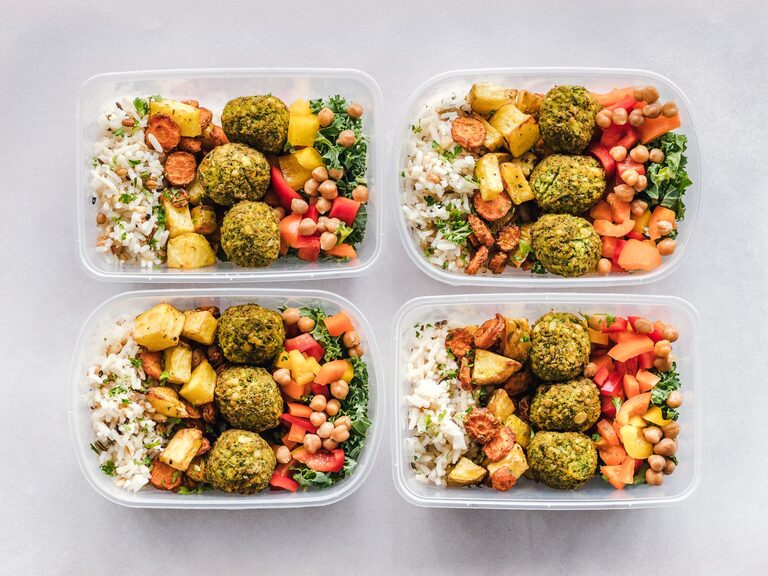
Busy weeks can make cooking feel like one more task on a long list. Meal prep helps by moving some of that work to a quieter time, so weekday meals are easier to assemble and enjoy. You do not need to cook every meal in advance or spend an entire Sunday in the kitchen. A few simple preparations can make a noticeable difference.
The key is to choose flexible ingredients, keep recipes simple, and prepare only what you are likely to use. Here are practical meal prep ideas for breakfasts, lunches, dinners, and snacks.
Start With a Simple Meal Plan
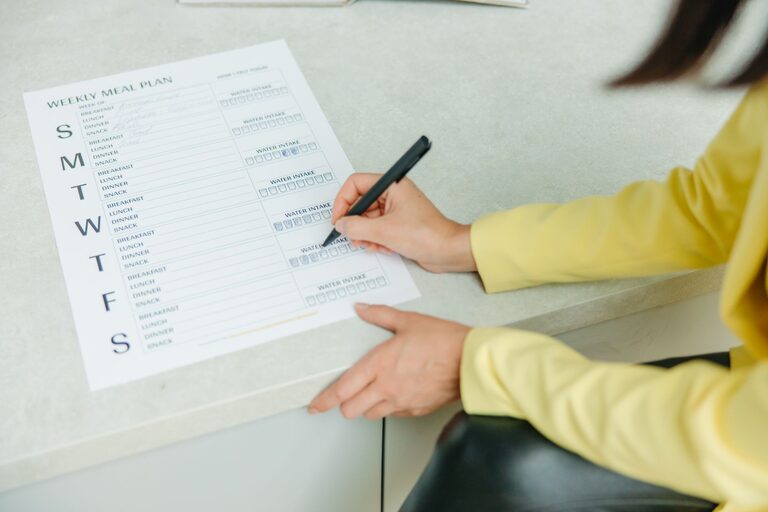
Before shopping or cooking, spend a few minutes planning the week. Choose meals that share ingredients, require similar cooking methods, or can be served in different ways.
A simple plan might include:
– Two make-ahead breakfasts
– Two lunch options
– Three easy dinners
– A few ready-to-eat snacks
– One flexible leftover night
You can also assign meals to specific days. For example, plan a grain bowl for Monday, soup for Tuesday, leftovers for Wednesday, and tacos for Thursday. This gives you structure without making every meal feel repetitive.
When planning, consider your schedule. Choose quick meals for busy evenings and save more involved recipes for days when you have extra time.
Build a Flexible Ingredient List
Meal prep is easier when several meals use the same basic ingredients. This reduces shopping time, limits food waste, and gives you more options throughout the week.
Useful ingredients include:
– Rice, quinoa, pasta, or potatoes
– Canned beans and lentils
– Eggs
– Cooked chicken, tofu, or another preferred protein
– Fresh or frozen vegetables
– Salad greens
– Yogurt or cottage cheese
– Fruit
– Tortillas or whole grain bread
– Simple sauces and seasonings
For example, roasted vegetables can be served with rice and beans, added to a wrap, mixed into pasta, or paired with eggs. Cooked chicken can become a salad topping, sandwich filling, or taco ingredient.
Prepare a Few Basic Components
Instead of making complete meals, prepare individual components that can be combined in different ways. This approach keeps your options open and makes leftovers more interesting.
Cook a Main Grain
Prepare a pot of rice, quinoa, couscous, or another grain. Divide it into containers after it cools and use it as the base for bowls, salads, and quick side dishes.
For added variety, season portions differently. One container might be used with a simple dressing, while another can be paired with salsa, herbs, or a stir fry.
Roast a Tray of Vegetables
Roasting vegetables is one of the easiest ways to prepare several servings at once. Cut vegetables into similar-sized pieces, toss them with oil and seasonings, and roast until tender.
Good choices include:
– Carrots
– Broccoli
– Cauliflower
– Bell peppers
– Zucchini
– Sweet potatoes
– Onions
Store the vegetables separately or combine them into ready-to-use portions. They can be added to bowls, wraps, omelets, soups, or pasta.
Prepare a Protein
Choose one or two proteins that work well in different dishes. Baked chicken, hard-boiled eggs, seasoned tofu, beans, and lentils are all useful options.
Keep the seasoning fairly simple if you want to use the protein in several meals. Salt, pepper, garlic, and a mild blend of herbs can work with salads, sandwiches, grain bowls, and warm dinners.
Easy Breakfasts for Busy Mornings
Breakfast prep can help you avoid skipping the meal or relying on last-minute choices. Focus on recipes that can be made in batches and stored in individual portions.
Overnight Oats
Combine oats, milk or a milk alternative, yogurt, and toppings in small jars or containers. Add fruit, nuts, seeds, cinnamon, or nut butter before serving.
Make several jars at once and vary the flavors. Try apple and cinnamon, berry and vanilla, or banana and peanut butter.
Egg Muffins
Whisk eggs with chopped vegetables, cheese, and cooked meat or beans if desired. Pour the mixture into a greased muffin pan and bake until set. Store the portions in the refrigerator and reheat them when needed.
Egg muffins are easy to pair with toast, fruit, or a small breakfast wrap.
Smoothie Packs
Prepare freezer bags with fruit, greens, and other smoothie ingredients. In the morning, empty one pack into a blender and add liquid or yogurt.
Label each pack with the flavor and the ingredients that need to be added. This makes the process faster and helps prevent confusion.
Pack Simple Lunches
A good packed lunch should be easy to assemble, store, and eat. Choose meals that hold up well and keep separate ingredients apart when necessary.
Mason Jar Salads
Layer salad ingredients in a jar, starting with dressing at the bottom and leafy greens at the top. Add sturdy ingredients such as beans, grains, carrots, cucumbers, and tomatoes between the dressing and greens.
When ready to eat, shake the jar or pour it into a bowl. Keeping the greens away from the dressing helps them stay crisp.
Grain Bowls
Build bowls with a grain, protein, vegetables, and a sauce. Prepare the ingredients in bulk, then mix and match combinations throughout the week.
Try these combinations:
– Rice, roasted vegetables, beans, and salsa
– Quinoa, chicken, cucumber, and yogurt sauce
– Couscous, chickpeas, tomatoes, and lemon dressing
– Potatoes, eggs, greens, and a simple mustard sauce
Wraps and Sandwiches
Wraps are useful for lunches because they can be filled with many different ingredients. Use hummus, chicken, tuna, beans, roasted vegetables, cheese, or sliced eggs.
To prevent sogginess, place wet ingredients in the center and avoid adding more sauce than needed. You can also pack the filling separately and assemble the wrap just before eating.
Make-Ahead Dinners
Dinner prep does not have to mean preparing seven complete meals. Instead, cook one or two larger recipes that can be served in different ways.
One Pot Meals
Chili, pasta, curry, soup, and stew are practical choices because they can be made in a single pot and portioned easily. They often taste even better the next day as the flavors develop.
Serve the same base in different ways. Chili can be paired with rice one night, used in a baked potato the next, and served with tortilla chips later in the week.
Sheet Pan Meals
A sheet pan meal combines a protein and vegetables on one tray. Use simple seasonings and choose ingredients with similar cooking times.
For a quick dinner, combine chicken or tofu with potatoes, broccoli, and bell peppers. Prepare the ingredients ahead of time and refrigerate them until you are ready to cook.
Freezer Friendly Meals
Some meals can be frozen in individual portions for future busy days. Consider soups, cooked grains, casseroles, burrito fillings, and sauces.
Use containers that are suitable for freezing, leave room for expansion, and label each container with the meal name and date. Thaw meals safely in the refrigerator when possible, then reheat until hot.
Keep Snacks Ready to Grab
Prepared snacks can make the space between meals easier to manage. Portion snacks into small containers or bags so they are ready to take with you.
Easy options include:
– Fresh fruit
– Cut vegetables with hummus
– Yogurt
– Cheese and crackers
– Nuts or seeds
– Popcorn
– Homemade energy bites
– Hard-boiled eggs
Keep a few choices in visible, easy-to-reach places. This makes it simpler to choose a snack when you are short on time.
Use a Short Weekly Prep Routine
A practical meal prep session may take less than two hours. Start by checking your schedule and gathering containers. Then work on tasks that can happen at the same time.
For example:
- Start rice, grains, or eggs.
- Chop vegetables while the oven heats.
- Roast vegetables and cook a protein.
- Prepare breakfasts or snacks.
- Portion ingredients into containers.
- Add labels and store everything properly.
Do not aim for perfection. Preparing two breakfasts, one lunch, and a dinner component is still useful. As you learn which foods your household enjoys and uses, meal prep will become faster and more natural.
Make Meal Prep Work for You
The best meal prep routine is one that fits your lifestyle. Start small, repeat favorite recipes, and leave room for flexibility. You can prepare ingredients instead of full meals, use store-bought shortcuts, or schedule a leftover night to avoid unnecessary cooking.
With a few basic ingredients and a simple plan, busy weeks become easier to manage. Meal prep saves time, reduces daily decisions, and helps you enjoy more homemade meals without spending every evening in the kitchen.