








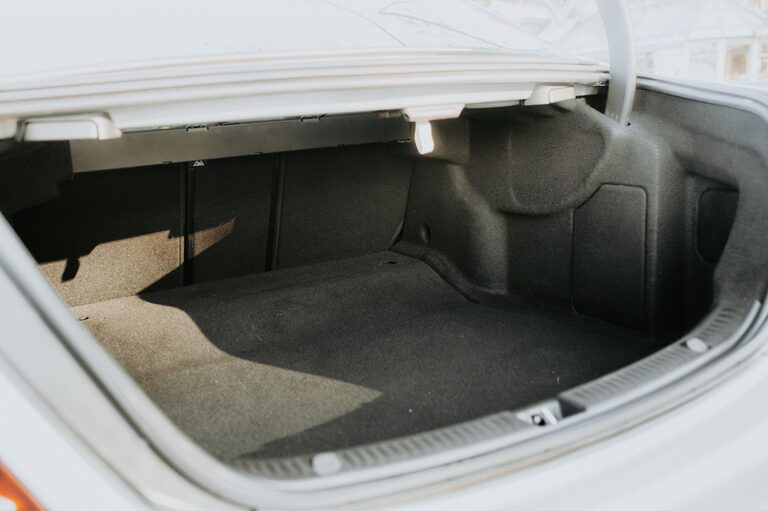
A clean, organized car is more comfortable to drive and easier to enjoy. It can also help you find important items quickly, make space for passengers, and reduce the time you spend dealing with clutter.
The key is not to wait until the car becomes overwhelming. A few simple habits, combined with the right storage solutions, can keep your vehicle in good shape with very little effort.
Start With a Complete Clear-Out
Before organizing your car, remove everything from the interior. Check the front seats, back seats, floor areas, door pockets, center console, trunk, and any hidden spaces.
Create a few simple groups:
– Items that belong in the car
– Items that should be taken inside
– Trash and recycling
– Items that belong somewhere else
– Emergency or seasonal supplies
Be honest about what you really need to keep in the vehicle. Receipts, empty bottles, old clothing, food wrappers, and unused accessories can quickly take over. Removing these items gives you a clean starting point.
Use a small box or bag to carry items into your home after every cleaning session. This makes it easier to finish the job instead of leaving belongings beside the car.
Create a Place for Everything
An organized car depends on having a specific place for each item. When items do not have a designated spot, they usually end up on the seats or floor.
Consider using these storage areas:
– The glove compartment for documents, a flashlight, and small supplies
– The center console for frequently used items
– Door pockets for compact items that are easy to reach
– Seat-back organizers for passengers and children
– A trunk organizer for larger supplies
– Small containers for loose items such as charging cables
Avoid filling every space just because it is available. Leave enough room to access what you need and prevent storage areas from becoming crowded.
Use Simple Organizers
You do not need expensive products to improve your car’s storage. A few practical organizers can make a noticeable difference.
A collapsible trunk organizer can separate groceries, cleaning supplies, sports equipment, and other items. Small pouches can keep cables, tissues, and personal care items together. A cup holder insert or small container can help hold coins and other loose objects.
Choose organizers that fit your vehicle and are easy to remove. Storage products that are difficult to clean may create more work over time.
Keep Trash Under Control
Trash is one of the fastest ways for a car to look messy. Keep a small car trash container or reusable bag within easy reach. Empty it whenever you stop at home or fill up with fuel.
Choose a container that is stable and easy to clean. It should not block access to the controls, interfere with passengers, or become a safety concern while driving.
Try these habits to reduce trash:
– Take food wrappers out as soon as you leave the car
– Do not leave receipts in door pockets
– Keep reusable shopping bags in one trunk area
– Empty the trash container at least once a week
– Avoid eating meals in the car when possible
A few seconds of cleanup after each trip can prevent a large buildup later.
Make Cleaning Part of Your Routine
A regular cleaning schedule is easier than a major cleaning project. Set aside a few minutes each week for basic maintenance.
Weekly Quick Clean
A weekly routine might include:
- Remove trash and items that do not belong in the car.
- Shake out or vacuum the floor mats.
- Wipe the dashboard and other frequently touched surfaces.
- Clean visible marks from the doors and seats.
- Check the trunk and return loose items to their proper places.
This quick clean may take only 10 to 15 minutes, especially when the car is already organized.
Monthly Deeper Clean
Once a month, spend more time on areas that are easy to overlook. Vacuum the seats, floor, and spaces around the center console. Clean the inside of the windows and wipe down the steering wheel, gear selector, door handles, and other high-touch surfaces.
Move the seats forward and backward to reach hidden dirt. Check beneath floor mats and remove items from the trunk before vacuuming. If you use removable organizers, take them out and clean them separately.
Always follow the care instructions for your vehicle’s interior materials. Some surfaces may need a soft, lightly damp cloth rather than a strong cleaner.
Protect the Interior
Preventing messes is often easier than cleaning them. Use practical protections in areas that receive heavy use.
Floor mats can help protect the carpet from dirt, moisture, and spills. If you regularly transport pets, children, sports equipment, or gardening supplies, consider using washable covers or a trunk liner.
Keep a few useful items in the car:
– Microfiber cloths
– A small brush
– Disposable or reusable cleaning gloves
– Paper towels
– A small supply of water
– A compact handheld vacuum, if convenient
Avoid storing cleaning products in direct sunlight or extreme heat. Make sure bottles are tightly closed and placed upright in a secure area.
Handle Spills Quickly
Spills are easier to clean when they are fresh. Blot liquids with a clean cloth instead of rubbing, which can spread the mess or push it deeper into fabric.
For food crumbs, use a brush or vacuum rather than pressing them into the upholstery. If a spill leaves a strong odor, remove the source first and allow the area to dry fully. Do not cover a damp area with a mat or container, as trapped moisture can create additional problems.
For stubborn marks, check the manufacturer’s guidance for your vehicle’s seats and interior surfaces. Using the wrong product may cause discoloration or damage.
Keep the Trunk Practical
The trunk often becomes a storage area for items that have no other home. Organize it by purpose so you can find what you need without moving everything around.
For example, one section can hold emergency supplies, another can hold reusable bags, and another can be reserved for groceries or equipment. Use a sturdy box or organizer to prevent smaller items from rolling around.
Review the trunk regularly. Remove seasonal items when they are no longer needed, and avoid carrying heavy objects unnecessarily. A lighter, more organized trunk is easier to use and gives you more room when needed.
Build Easy Daily Habits
Small habits have the greatest long-term effect. At the end of each drive, take a moment to look around the cabin. Remove personal items, collect trash, and return anything that has moved out of place.
You can also use a simple “one-minute rule”: if a task takes less than a minute, do it immediately. Put a bottle in the recycling bin, place a receipt in the proper container, or return a charger to its pouch before leaving the car.
Ask passengers to take their belongings with them. If children ride in the car, provide a small basket or organizer where they can place books, toys, and travel items.
Keep It Manageable
Your car does not need to be perfectly clean at all times. The goal is to create a system that fits your daily life and is easy to maintain.
Start with one area, such as the front cabin or trunk. Remove unnecessary items, add basic storage, and establish a short cleaning routine. Once that area is under control, move to the next.
With consistent habits, regular quick cleanups, and a place for everything, your car can stay organized without requiring hours of work.