







Planning meals for the week can make everyday cooking easier, faster, and less stressful. A simple meal plan helps you decide what to cook before you are hungry, use ingredients more efficiently, and avoid last-minute trips to the store.
You do not need complicated recipes or a strict schedule. With a few basic steps, you can create a flexible plan that fits your time, budget, and household.
Start With Your Weekly Schedule
Before choosing meals, look at the week ahead. Your schedule will help you decide which meals should be quick, which days are good for cooking, and when leftovers may be useful.
Check for:
– Work or school commitments
– Evening activities
– Appointments
– Guests or family events
– Days when you will eat away from home
– Time available for cooking
For busy nights, choose meals that take 30 minutes or less. On a quieter day, you might prepare a larger dish that can provide leftovers. If you know you will be away from home, leave that day open instead of planning food you may not use.
A meal plan should support your routine, not make it more difficult.
Choose a Planning Method
There is no single correct way to organize a meal plan. Choose a method that feels easy to repeat each week.
Plan Every Meal
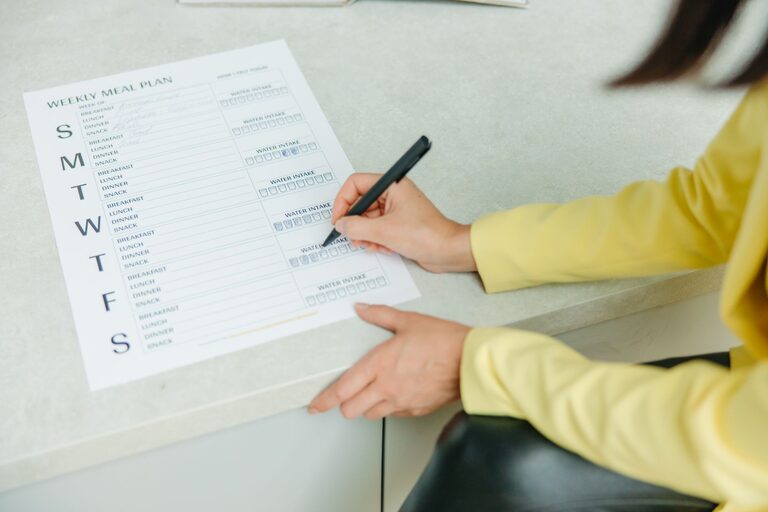
For a detailed plan, write down breakfast, lunch, dinner, and snacks for each day. This method works well if you like having clear choices and want to manage your grocery list closely.
Plan Dinners Only
Many people find it easier to plan seven dinners and keep breakfast and lunch simple. You can repeat a few reliable options, such as oatmeal, sandwiches, salads, soup, or leftovers.
Use a Meal Theme
Weekly themes can make decisions easier. For example:
– Monday: Pasta
– Tuesday: Tacos
– Wednesday: Soup or stew
– Thursday: Rice bowls
– Friday: Homemade pizza
– Saturday: One-pan meal
– Sunday: Roast or slow-cooked meal
Themes provide structure while still allowing you to choose different ingredients and recipes.
Build a Balanced List of Meals
When selecting meals, aim for variety without choosing an entirely different recipe every day. Repeating ingredients can save money and reduce waste.
Choose a mix of:
– Quick meals for busy days
– One or two meals that create leftovers
– A simple meal for the end of the week
– Familiar family favorites
– One new recipe, if you want to try something different
You can also vary the main ingredients throughout the week. For example, use chicken in a grain bowl one night and add leftover chicken to sandwiches or soup another day.
Keep a list of meals your household already enjoys. This personal collection becomes a useful starting point whenever you need ideas.
Consider Ingredients You Already Have
Before writing your grocery list, check your pantry, refrigerator, and freezer. Look for ingredients that need to be used soon or items you already have in large quantities.
You may find:
– Rice, pasta, or grains
– Canned beans or tomatoes
– Frozen vegetables
– Eggs
– Sauces and seasonings
– Fresh produce
– Leftover cooked ingredients
Planning around what you already own can lower your grocery bill and prevent food from being forgotten. If you find half a package of vegetables, for example, plan a stir-fry, soup, or pasta dish that uses them.
A quick inventory also helps you avoid buying duplicates.
Create a Practical Grocery List
Once you have chosen your meals, write down every ingredient you need. Organize the list by store section so shopping takes less time.
Useful categories include:
– Produce
– Meat, poultry, seafood, or plant-based proteins
– Dairy and eggs
– Grains and bread
– Canned and packaged foods
– Frozen foods
– Snacks
– Household items
Check your pantry before adding each item. Include the amount needed when helpful, especially for ingredients such as rice, pasta, cheese, or fresh produce.
It is also useful to note which ingredients will be used in more than one meal. For example, a large bag of spinach might be used in eggs, pasta, and sandwiches. Planning this way helps you buy practical amounts.
Keep Recipes Simple
A meal plan does not need to be filled with elaborate recipes. Simple meals are often easier to prepare and adjust.
A basic meal can include:
– A protein or plant-based main ingredient
– A vegetable or fruit
– A grain, potato, bread, or another filling side
– A sauce, dressing, or seasoning for flavor
Examples include roasted chicken with potatoes and vegetables, bean tacos with rice, vegetable pasta, or rice bowls with eggs and frozen vegetables.
Choose recipes with familiar techniques such as baking, sautéing, roasting, simmering, or assembling. If a recipe requires several special ingredients or equipment, save it for a day when you have more time.
Prepare a Few Ingredients Ahead
You do not have to cook all your meals in one session. Preparing a few ingredients ahead can make weekday cooking much easier.
Consider:
– Washing and cutting vegetables
– Cooking rice, grains, or pasta
– Hard-boiling eggs
– Preparing a sauce or dressing
– Marinating ingredients
– Portioning snacks
– Cooking a large batch of beans, chicken, or vegetables
Store prepared food in clean, covered containers and label it when needed. Keep ingredients separate if you want to use them in different meals.
For example, cooked vegetables can be added to grain bowls, omelets, soup, or wraps. Preparing flexible ingredients gives you more options than cooking one complete dish for every day.
Plan for Leftovers
Leftovers are one of the easiest ways to reduce cooking time. When preparing dinner, consider making enough for another meal.
Leftovers can be served in their original form or used in a new way:
– Roasted vegetables can go into pasta or a frittata.
– Cooked chicken can be added to soup, wraps, or salads.
– Extra rice can become fried rice or a bowl with vegetables.
– Beans can be used in tacos, chili, or a quick salad.
Write “leftovers” on your plan so they do not get overlooked. If your household does not enjoy eating the same meal twice, change the format or freeze part of the dish for another week.
Leave Room for Flexibility
A meal plan is a guide, not a set of rules. Plans can change because of unexpected events, changing schedules, or ingredients that need to be used first.
You can make your plan more flexible by:
– Keeping one meal as a backup option
– Having a few quick pantry meals available
– Swapping meals between days
– Freezing extra portions
– Using leftovers before cooking something new
– Leaving one night open for takeout or dining out
Flexible planning helps prevent food waste and makes the system easier to maintain.
Review the Week
At the end of the week, take a few minutes to review your plan. Ask yourself:
– Which meals were easy to prepare?
– Which recipes did everyone enjoy?
– Did you buy more food than needed?
– Which ingredients were left over?
– Were the portions suitable?
– What should be changed next week?
Use the answers to improve your next plan. Over time, you will build a collection of dependable meals and learn which ingredients work best for your household.
A Simple Weekly Template
You can begin with this basic structure:
– Monday: Quick pasta or grain bowl
– Tuesday: Tacos, wraps, or sandwiches
– Wednesday: Leftovers
– Thursday: Stir-fry or one-pan meal
– Friday: Homemade pizza or a simple favorite
– Saturday: New recipe or flexible meal
– Sunday: Large batch meal for leftovers
The best weekly meal plan is one you can use consistently. Start small, choose familiar meals, and adjust the plan as you learn what works. Even a few minutes of preparation can make the entire week feel more organized.